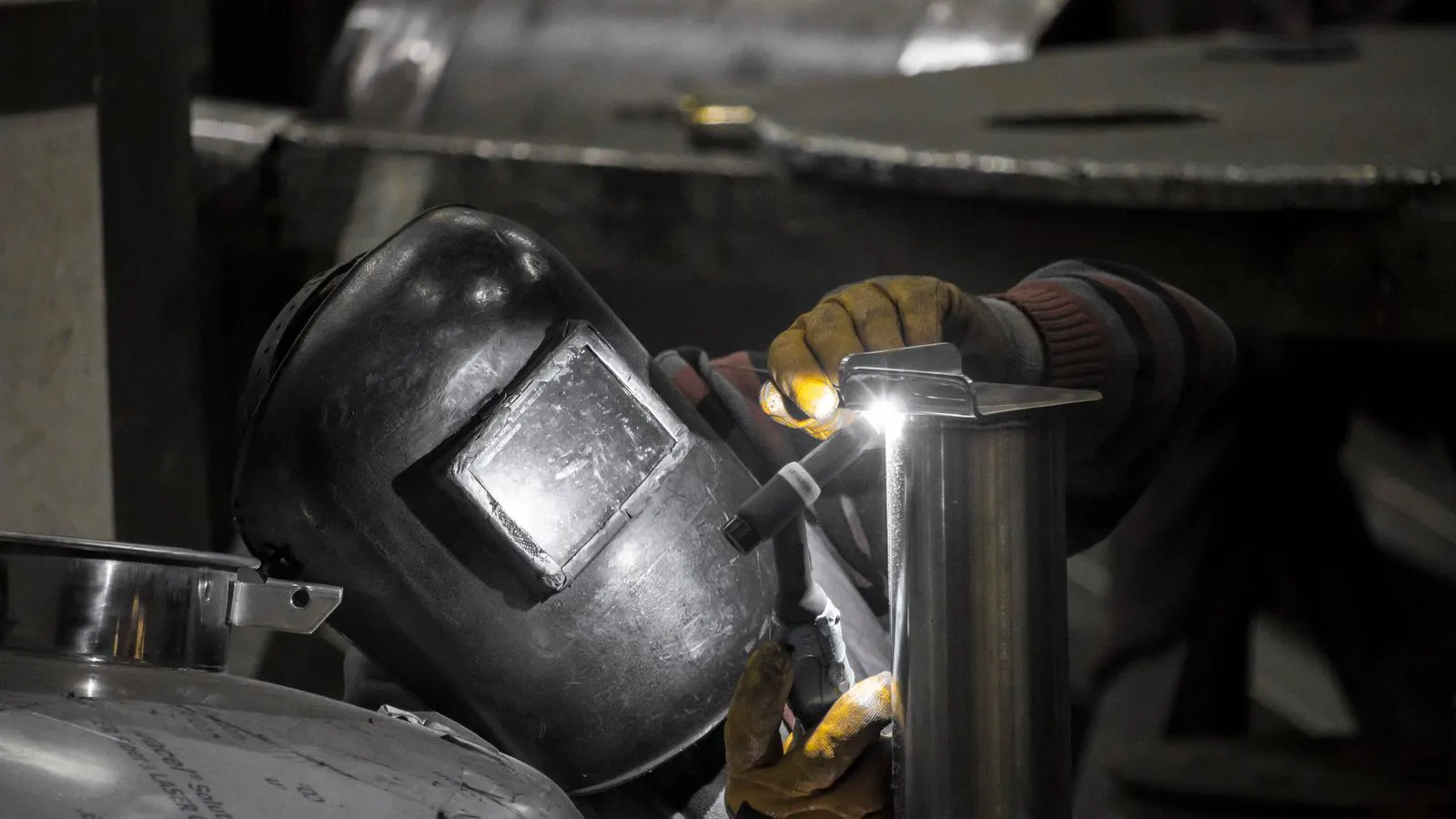
TIG & Plasma Equipment
TIG Welder Buying Guide: Power Sources & Torch Selection
Select a TIG machine by matching amperage, duty cycle, and control type to your metal thickness and joint types. Then choose a torch that matches your work position and
Practical welding equipment selection for professional buyers.
Selecting welding equipment involves more than comparing price lists. You need to match amperage output, duty cycle, wire diameter, and gas flow to the specific joint, material, and production volume of your operation. This site breaks those decisions into clear checks.
The content covers MIG and MAG systems, TIG and plasma units, robotic cells, consumables, and safety standards. It focuses on the practical trade-offs buyers face, such as choosing between a fixed power source and a variable frequency converter, or deciding when a robot pays for itself versus a manual welder.
Start with the stage of the sourcing process you are in.
Compare machine types, wire feeders, and operating modes to select the right equipment for your production needs.
Review precision TIG and plasma cutter options, including power sources, torches, and applications for skilled work.
Compare supplier capabilities, support, warranty terms, and reliability to select a long-term welding equipment partner.
Select a TIG machine by matching amperage, duty cycle, and control type to your metal thickness and joint types. Then choose a torch that matches your work position and
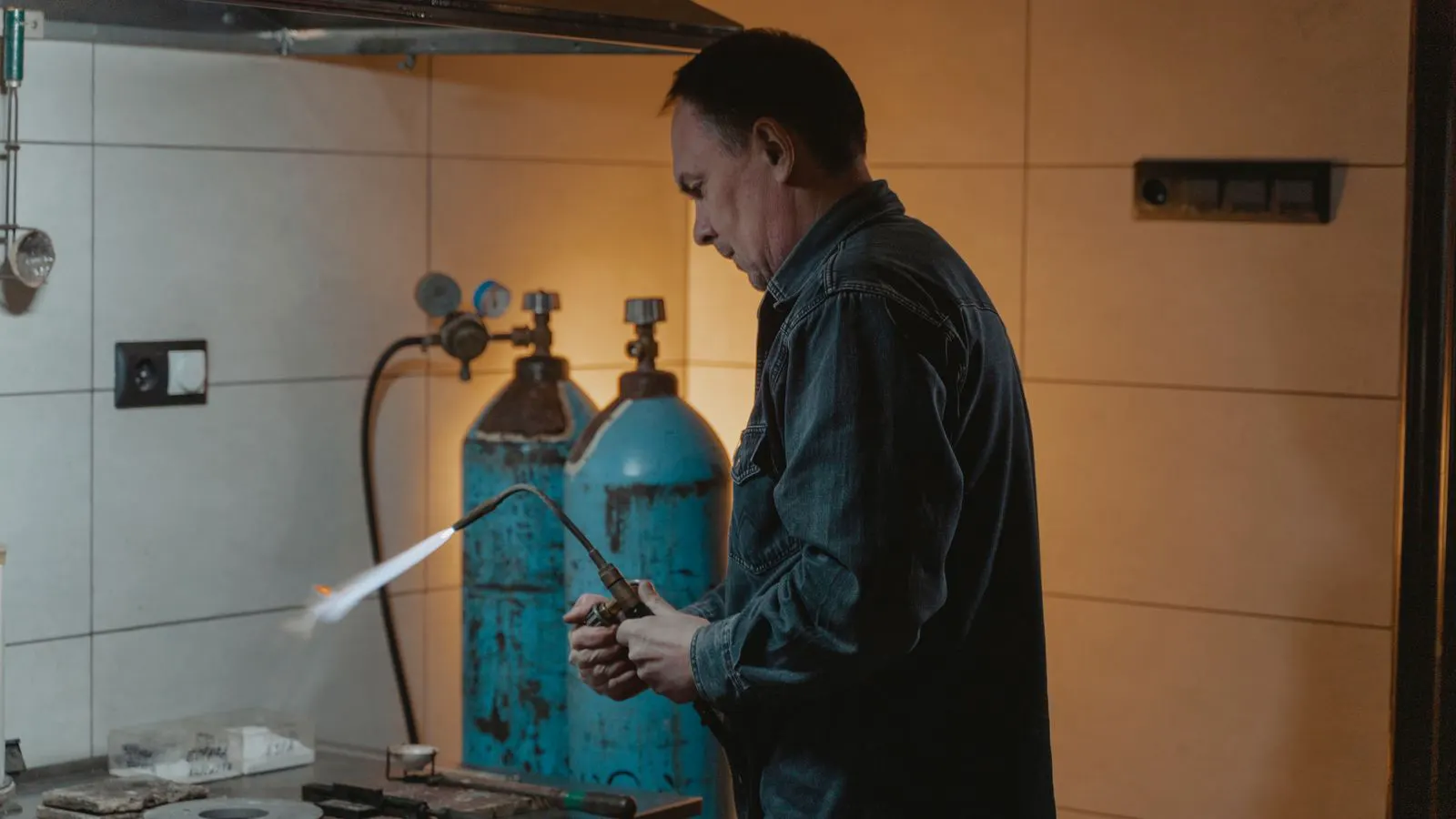
Select a welding machine vendor by matching technical support levels to your specific MIG or TIG production demands. Evaluate service response times, parts availability
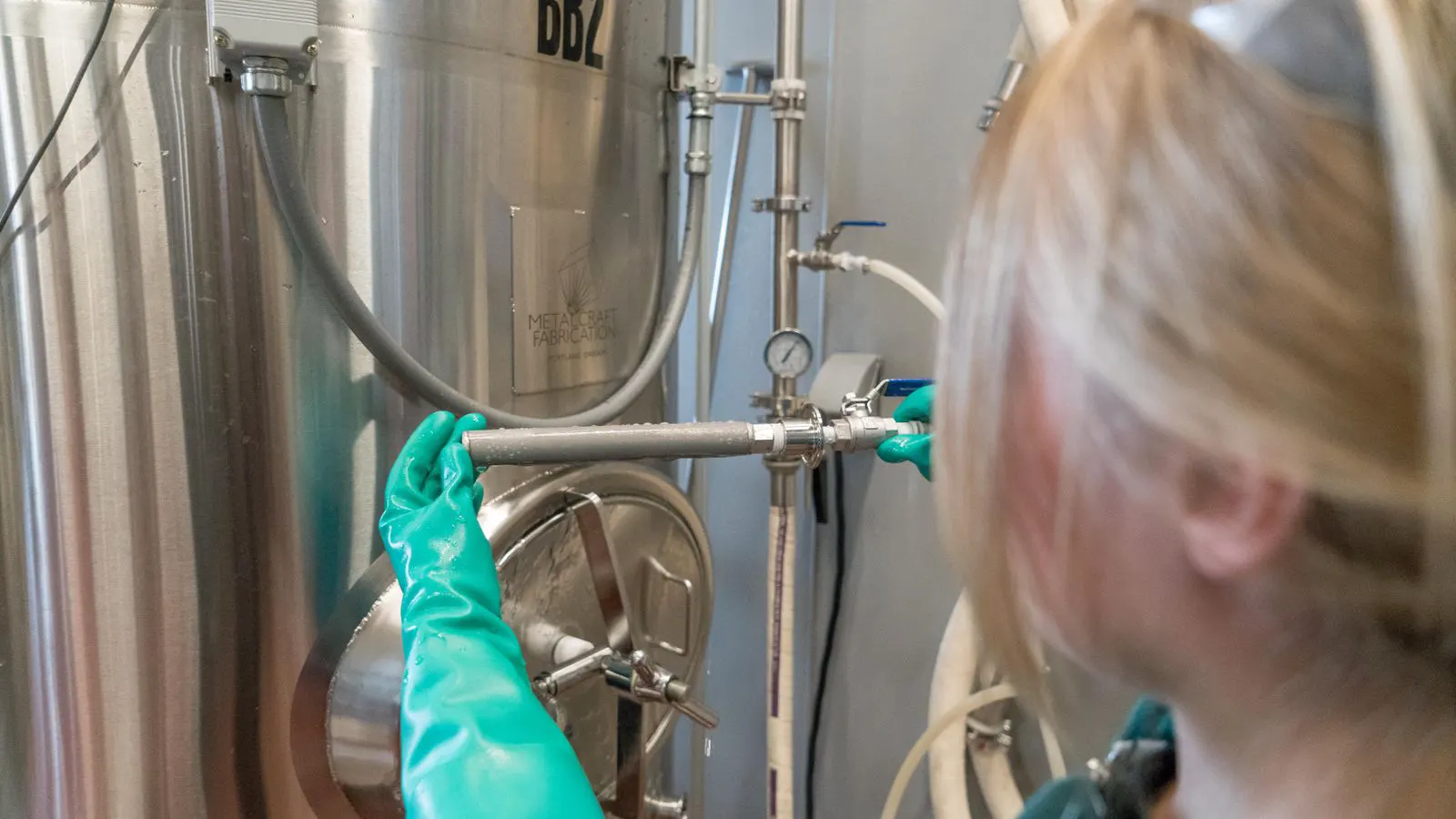
Setting MIG wire speed for stainless steel requires balancing wire feed rate, voltage, and gas flow to minimize defects. Start with manufacturer charts, adjust for wire
MIG uses shielding gas, while MAG uses an external gas supply that is often a mixture of argon and carbon dioxide. MAG is common in thicker steel sections and higher production volumes.
Robots are generally more cost-effective when the joint design is consistent and the production volume is high enough to cover the initial setup and programming costs.
Check the manufacturer's rating at a specific current and voltage. If your operation requires continuous welding, you need a machine with a higher duty cycle rating than standard intermittent use.
The ratio of argon and carbon dioxide changes the arc stability and penetration. A higher carbon dioxide percentage increases penetration but can cause more spatter.
The wire feeder controls the wire speed, which directly affects the amperage. If the feeder jams or the tension is wrong, the arc becomes unstable and the weld quality drops.
Choose the electrode based on the material and amperage range. Tungsten electrodes are selected by color to indicate the grade and coating, and they must be ground to a specific tip angle for the process.