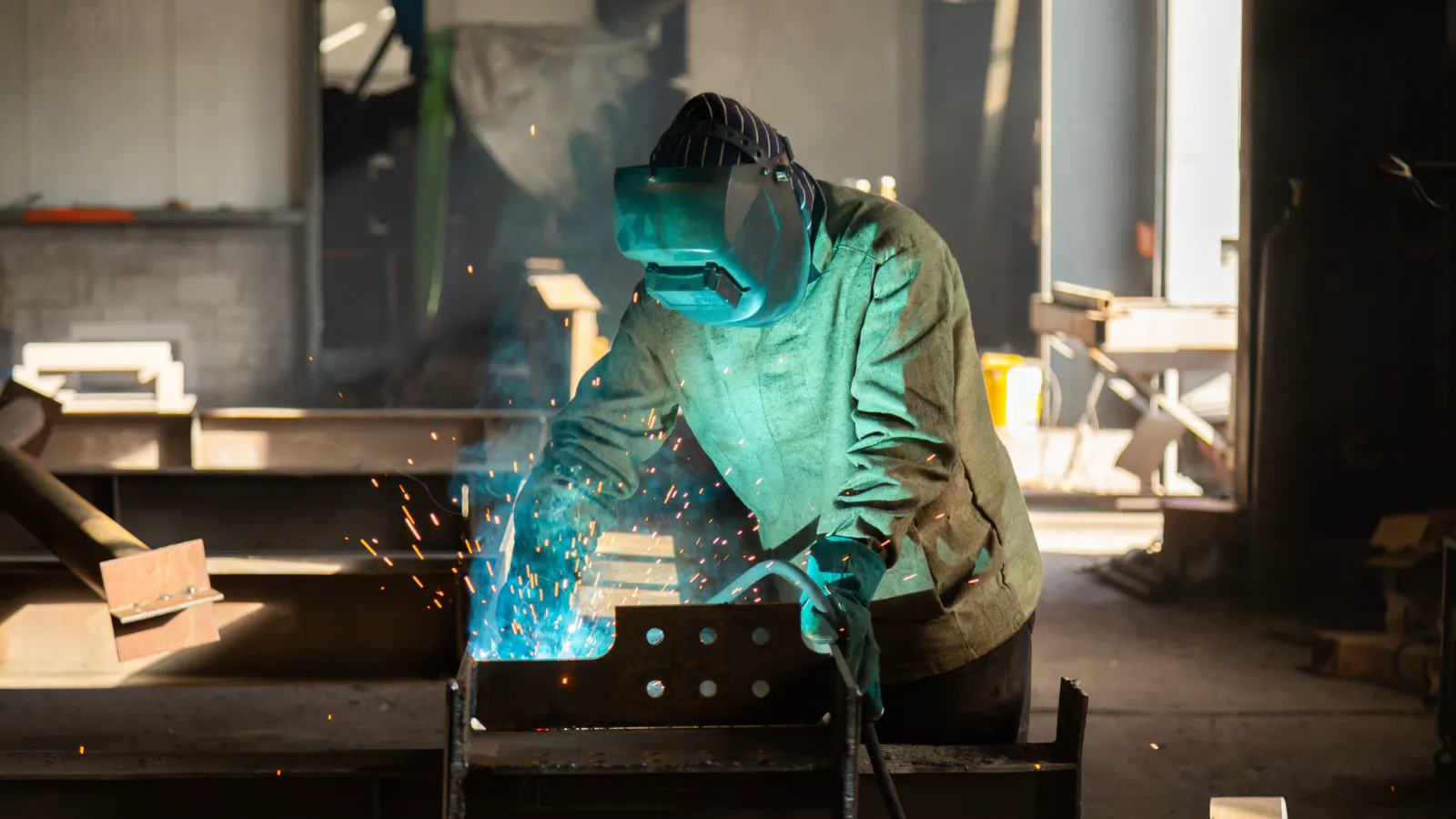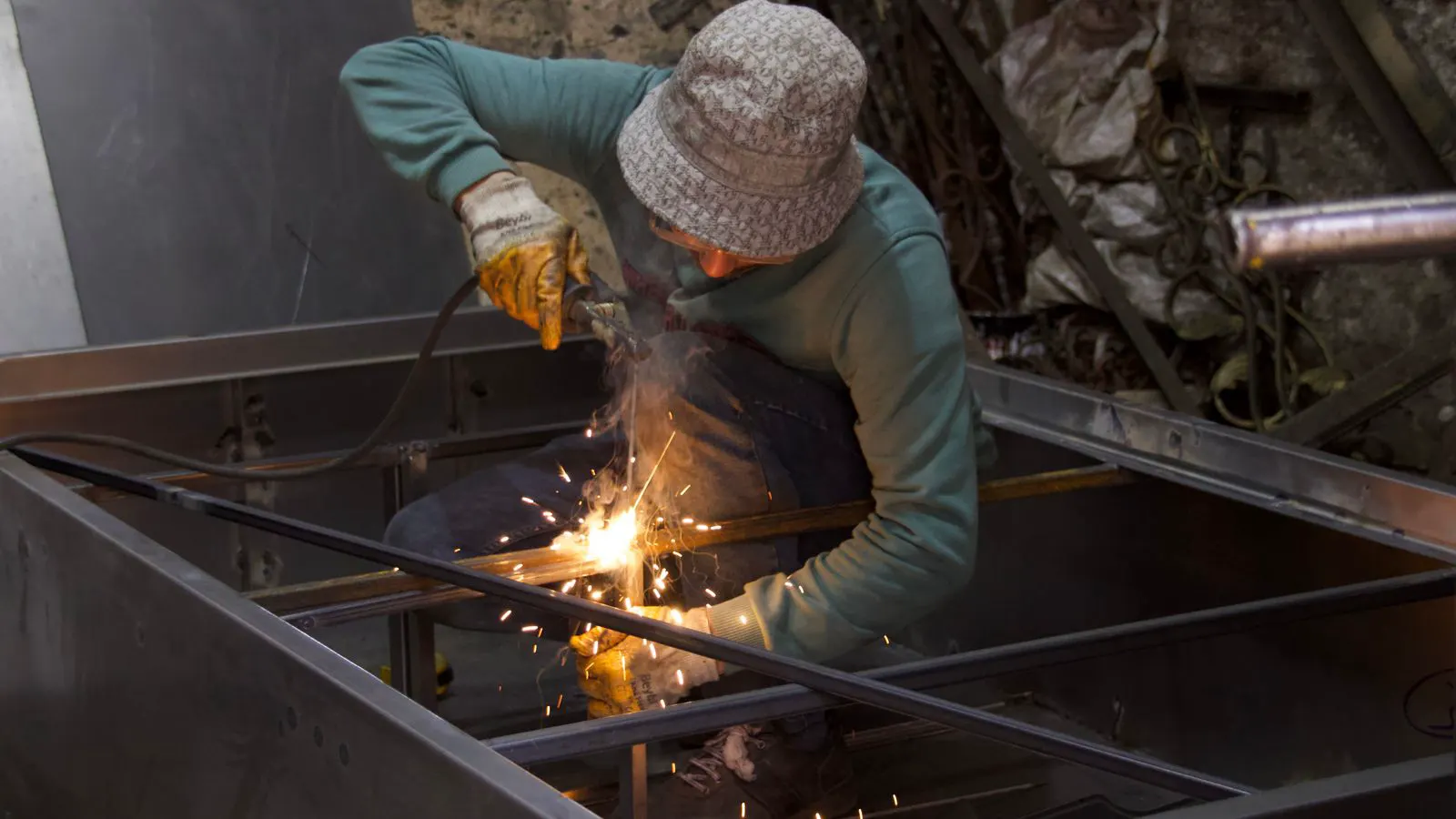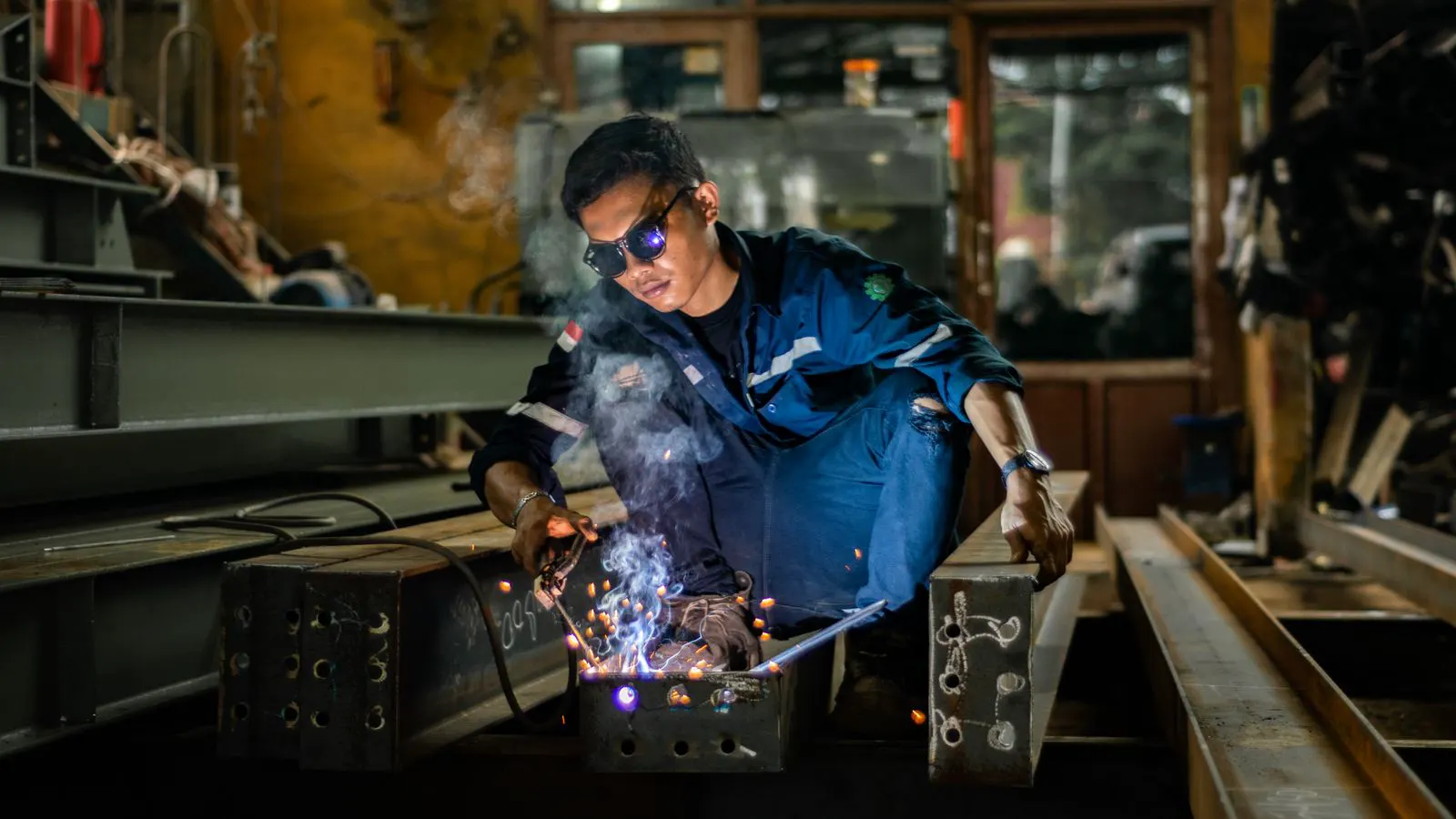
Emerging connected PPE and sensor systems are shifting welding safety compliance from manual checks to data-driven verification. Strategic buyers must plan for digital recordkeeping, sensor-based exposure limits, and new vendor requirements to stay ahead of regulatory expectations.
- Smart PPE with sensors creates continuous exposure data that may replace periodic manual monitoring.
- Procurement teams should require digital logs and data export capabilities in new PPE and monitoring contracts.
- Training programs need to adapt to connected devices that track real-time arc proximity and heat exposure.
- Standardized data formats will likely become a baseline requirement for compliance audits.
- Vendors offering closed systems may limit future audit access, so data ownership must be clarified.
What changes when PPE starts reporting data
The shift from passive protection to active monitoring is already visible in pilot programs at large fabrication plants. A helmet that once only filtered light now records arc intensity, duration, and proximity to the source. These readings feed into a central dashboard that flags when an operator exceeds safe thresholds. The data stream changes the nature of the equipment itself. It is no longer just a shield; it is a node in a network.
For procurement teams, this changes the buying conversation. The question is no longer just about the filter shade or the battery life of a helmet. It is about data ownership, export formats, and whether the device can sync with existing safety management software. The equipment is becoming a data point in a larger compliance chain. This shift requires a different set of questions during the evaluation phase. Buyers must consider who controls the data, how long it is retained, and how it integrates with other systems.
This does not mean old PPE is obsolete. Manual checks and periodic calibration remain necessary. But the trend points toward a hybrid model where human oversight is supported by continuous machine-generated records. The human element remains critical for judgment calls, such as deciding when to stop work due to environmental changes. The machine handles the measurement and logging. The human handles the context and the final decision.
How exposure limits may become automated
Current workplace welding safety relies on spot checks and periodic air sampling. Workers rotate shifts, and exposure varies based on fume generation rate, ventilation, and arc duration. Smart sensors embedded in respirators or positioned near the work zone can track cumulative exposure in real time. This automation creates a new compliance burden. If a sensor logs a high-exposure event, the employer must document the corrective action. That could mean adjusting ventilation, changing the welding process, or reassigning the worker. The paper trail becomes longer and more granular than before.
Buyers should expect regulators to request raw data, not just summary reports. This means the data storage solution must be secure and auditable. A simple local device that stores data on a memory card will not meet the needs of an enterprise safety management system. The data must be structured for retrieval and analysis. This requires a robust backend infrastructure.
The automation also changes the definition of a safety incident. In the past, an incident might have been defined by a physical injury or a visible health issue. Now, an incident could be a single data point that exceeds a threshold. This requires a clear protocol for responding to alerts. What happens when the sensor triggers? Does the operator stop work? Does the supervisor get notified immediately? These questions need answers before the system is deployed.
What procurement teams must verify before purchase
When evaluating smart welding PPE, technical specifications are only half the picture. The commercial and data requirements are equally important. The table below outlines the key areas to review before signing a contract for connected safety equipment.
| Verification Area | Key Question to Ask Vendor |
|---|---|
| Data Ownership | Who owns the exposure data generated by the device? |
| Export Formats | Can data be exported in CSV, JSON, or API format? |
| Audit Trail | Does the system log user actions and device status changes? |
| Interoperability | Can the device sync with existing safety management platforms? |
| Battery and Maintenance | What is the expected lifespan of the sensor components? |
| Regulatory Alignment | Does the vendor provide documentation for local compliance audits? |
If a vendor cannot provide clear answers to these questions, the device may create more compliance risk than it removes. The cost of retrofitting data integration later is far higher than specifying the right system upfront. Vendors often focus on the hardware performance, such as sensor accuracy or response time. They may overlook the data management requirements. Buyers must bridge this gap by asking about the full lifecycle of the data.
Training and operational workflow adjustments
Smart welding PPE changes how operators interact with their gear. A helmet that beeps when it detects high UV exposure requires a different response than a traditional helmet that simply blocks the light. Workers must understand what the alerts mean and what actions to take. This requires updated training modules. The content should cover device startup, sensor calibration, and data interpretation. It should also address troubleshooting. If a sensor fails during a shift, what is the fallback procedure?
Supervisors will spend more time reviewing data trends rather than just observing technique. The focus shifts from catching a mistake after it happens to identifying patterns that suggest a systemic issue. For example, a cluster of high-exposure alerts in the morning shift might indicate that ventilation is not cycling correctly at the start of the day. This requires a new skill set for supervisors. They need to be able to read data dashboards and make informed decisions based on trends.
The training must also cover the limitations of the technology. Sensors can fail. They can be blocked by dirt or debris. They can be misaligned. Operators must know how to check the condition of their equipment before starting work. This adds a new step to the pre-shift routine. It is a small addition, but it is critical for the accuracy of the data.
The role of fume extraction and ventilation in smart systems
Smart PPE does not work in a vacuum. It must be integrated with the wider workplace environment. Fume extraction systems can now report air quality data that correlates with individual PPE sensor readings. This creates a more complete picture of exposure.
If a worker’s respiratory sensor reports high particulate levels, but the local extraction unit shows normal airflow, the issue might be a mask seal or a gap in the extraction hood. Conversely, if the extraction unit is struggling, the PPE data will show elevated exposure across the entire area. This integration requires a single point of contact for data. Ideally, the safety management system should pull data from both the PPE devices and the environmental monitoring equipment. Without this integration, the data is fragmented and harder to analyze.
This integration also requires coordination between different departments. The welding team, the maintenance team, and the safety team all have different roles in managing the system. The maintenance team must ensure that extraction units are clean and functioning. The safety team must review the data and enforce policies. The welding team must use the PPE correctly. This coordination is essential for the system to work effectively.
Preparing for future regulatory requirements
Regulators are likely to move toward requiring digital records for exposure monitoring. This is already happening in other industrial fields, such as chemical handling and electrical work. Welding will follow, driven by the same need for verifiable compliance. The transition will not be immediate. There will be a period where manual logs and digital data coexist. Employers will need to maintain both systems during this transition. This creates a temporary increase in administrative work.
To prepare, document your current processes now. Map out who performs exposure checks, how they record results, and how they report findings. This baseline will make it easier to identify gaps when digital tools are introduced. Documentation is a good habit regardless of technology. It helps to identify what works and what does not. It also provides a record of best practices.
The regulatory environment is changing. New standards may require specific data points or specific reporting formats. Buyers must stay informed about these changes. They must ensure that their chosen system can adapt to new requirements. This may involve software updates or hardware upgrades. The contract with the vendor should allow for these changes.
Strategic recommendations for buyers
Strategic leaders should treat smart welding PPE as part of a broader safety infrastructure upgrade, not just a single product purchase. The goal is to build a system that can scale with the workforce and adapt to new regulatory demands.
First, define the data requirements for your safety management system. Determine what metrics you need to track and how you will use them for decision-making. This will guide your vendor selection. Metrics should be specific and measurable. For example, you might track the average exposure level per shift, the number of alerts per week, or the correlation between ventilation status and exposure levels.
Second, pilot the technology with a small group of workers. Observe how the data is generated, stored, and reviewed. Identify friction points before rolling it out to the entire plant. A pilot allows you to test the system in a controlled environment. It also allows you to train a small group of workers who can then train others.
Third, review your contract terms with vendors. Ensure that you have full access to the data and that you can export it if you change vendors in the future. Lock-in is a real risk with proprietary systems. You should be able to take your data with you. You should also have the right to audit the data storage and security measures.
Finally, engage your safety team early. They will be the ones using the system daily. Their input on usability and workflow will determine whether the technology actually improves compliance or just adds administrative burden. The safety team knows the real-world challenges. They can identify potential issues before they become problems.
Frequently asked questions
Does smart welding PPE replace manual safety checks?
No, it complements them. Manual checks are still required for calibration and for situations where sensors cannot provide accurate data.
How long does the data from smart PPE need to be stored?
Storage requirements depend on local regulations. Most employers retain exposure data for several years to support audits and incident investigations.
Can smart PPE work with existing safety software?
It depends on the vendor. Look for devices that support standard export formats or have APIs for integration with safety management platforms.
What happens if a sensor fails during a shift?
The worker must follow a predefined fallback procedure, such as switching to a backup device or moving to a low-risk area until the issue is resolved.
Are there specific standards for smart welding PPE?
Not yet, but industry bodies are developing guidelines for data integrity and device interoperability. Check with your local standards organization for the latest recommendations.