Verify incoming welding consumables by checking certification documents, packaging integrity, lot traceability, and surface condition. Use this audit checklist to catch defects before they reach the production floor.
- Verify wire certification and lot traceability before accepting any incoming shipment
- Inspect packaging for corrosion, moisture damage, and seal integrity
- Check surface condition of exposed wire for rust, dents, or coating damage
- Cross-reference supplier documentation with the purchase order and technical specs
- Maintain a receiving log to track defects and supplier performance
Why Incoming Verification Matters
Welding consumables are the material that ends up in the weld. A single bad lot of wire or a compromised gas cylinder can create porosity, lack of fusion, or inclusions across an entire production run. Importers and manufacturers cannot rely on supplier assurances alone. A systematic receiving inspection catches problems before they reach the torch.
This checklist covers the physical checks and document reviews you need to perform at the dock. It is designed to be copied into a quality log or printed for the receiving area.
Check the Documentation Before You Unload
The first step is paper work, not physical inspection. Match every document to the purchase order.
- Certificate of Analysis (CoA) or Mill Test Report: Confirm it matches the material specification. For stainless steel wire, look for the grade designation and chemical composition range. For carbon steel, verify the carbon equivalent and trace element limits.
- Wire Certification: Request the specific certification body or standard the wire was tested against. A generic “tested to spec” statement is not enough. The document should reference the applicable welding wire standard.
- Lot Number and Heat Number: These must match the physical spool or can. If the label on the wire does not match the CoA, quarantine the material.
- Date Code: Verify the manufacture date. Older stock may have lost flux effectiveness or developed storage defects.
- Country of Origin and Mill ID: For imported material, confirm the mill is authorized to produce to the required specification.
If any document is missing, do not release the material into inventory. Hold it in a designated quarantine area and notify the supplier.
Inspect Packaging and Seals
Packaging is the first line of defense against moisture and physical damage. Damaged packaging often means the consumable inside has been compromised.
- Seal Integrity: For sealed cans of powder, gas cylinders, or vacuum-packed wire, check that the seal is intact. A broken or missing seal means the contents may have absorbed moisture.
- Corrosion or Dents: Inspect the can or drum exterior. Rust on the outside of a steel can indicates prolonged exposure to moisture. Dents on a can may have deformed the wire inside.
- Label Condition: Labels that are faded, peeling, or missing are a red flag. They suggest poor storage or handling during transport.
- Pallet and Strapping: Check that the pallet is dry and the strapping is secure. A wet pallet at receiving indicates the container was stored outdoors or in an uncontrolled environment.
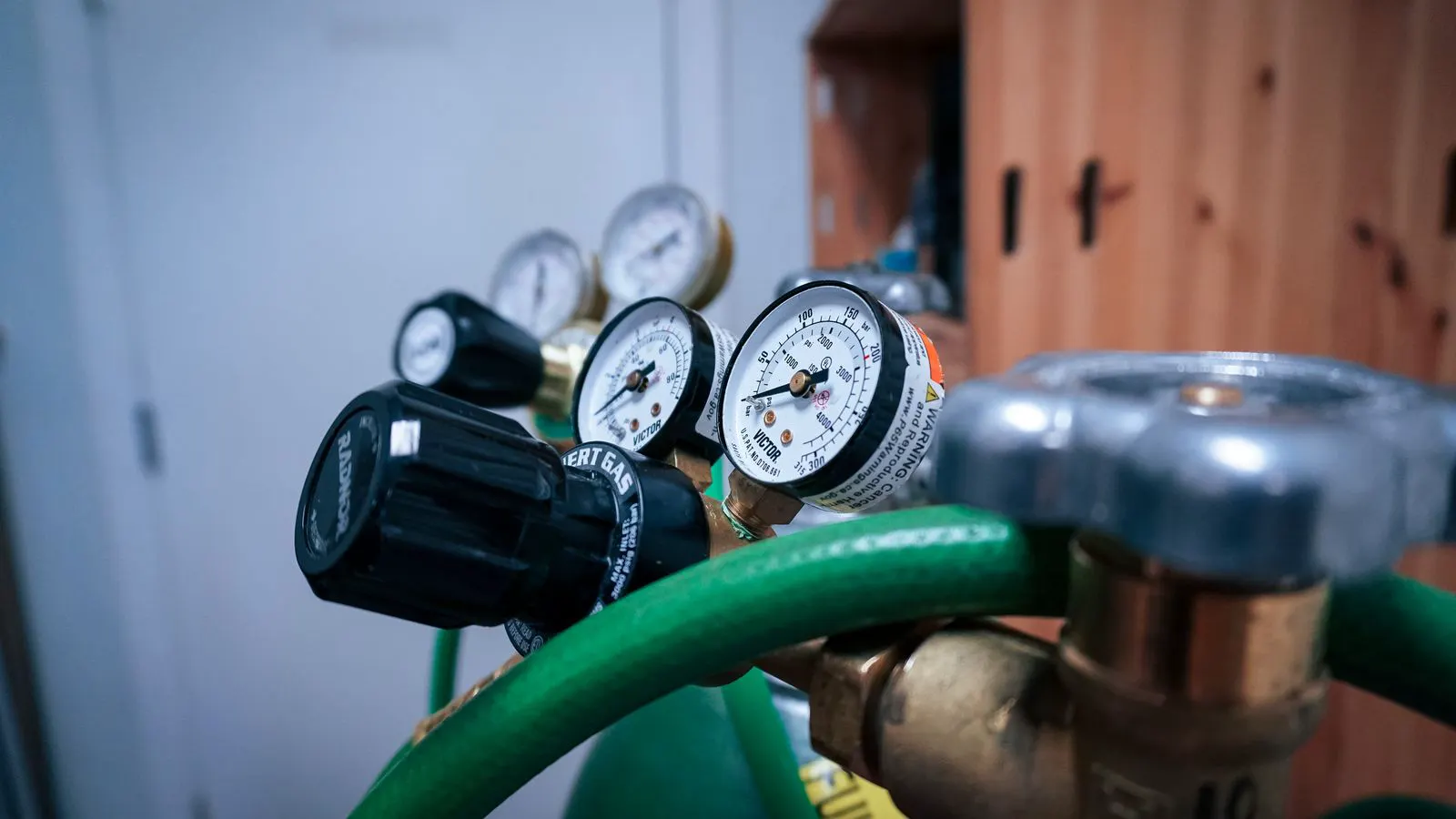
- Gas Cylinder Check: For shielding gas, verify the cylinder is clean, the valve cap is in place, and the label matches the ordered composition. Check the hydrostatic test date if visible.
Verify Surface Condition of Exposed Material
For wire that has been cut or exposed during unloading, check the surface. This is where you catch manufacturing defects that documents will not show.
- Rust or Oxidation: Any reddish-brown discoloration on carbon steel wire is rust. On stainless wire, pitting or a dull, non-reflective surface indicates oxidation.
- Coating Damage: For flux-cored wire or coated wire, check that the coating is uniform. Gaps, peeling, or a chalky appearance indicate poor coating adhesion or moisture absorption.
- Dents and Deformations: Run a finger along the wire where accessible. Dents reduce the wire diameter at that point, causing inconsistent deposition and potential wire feed issues.
- Coating or Flux Dust: Excessive dust on the wire can indicate the wire was not properly cleaned or the packaging was not sealed.
- Corrosion in the Wire Core: If you cut a small sample, inspect the core. Rust inside the core is a serious defect that will cause porosity and weak welds.
Confirm Physical Dimensions and Specifications
Measure a sample of the material to confirm it matches the ordered specification. Use a micrometer for wire diameter and a calibrated scale for powder or filler rod weight.
- Wire Diameter: Measure at three points along the exposed length. The diameter should be within the tolerance of the specification. Consistent variation indicates a bad extrusion or drawing process.
- Filler Rod Length: For solid rod, verify the length matches the package count. Short rods waste handling time and may indicate a production error.
- Powder Moisture Content: If you have access to a moisture meter, check the powder. High moisture content causes porosity and hydrogen-induced cracking.
- Gas Composition: If you have access to a gas analyzer, verify the shielding gas composition. A gas mix that is off by even a few percent changes the weld chemistry and arc characteristics.
Cross-Reference with Historical Data
Keep a receiving log for each supplier and material lot. This log lets you spot patterns that a single inspection might miss.
- Defect Frequency: Track how often defects appear for each supplier. A supplier that has three defects in five lots is a different risk than one with one defect in fifty lots.
- Repeat Issues: If the same problem appears repeatedly, escalate it. A recurring label mismatch or seal issue is a systemic problem, not a one-time mistake.
- Supplier Response Time: Log how quickly the supplier responds to a quality issue. A responsive supplier is easier to work with than one that goes silent.
- Weld Performance Feedback: If possible, feed information from the production floor back into the receiving log. If a lot of wire caused porosity on the line, note it in the log and flag the lot for review.
Red Flags That Require Immediate Quarantine
Some issues are too serious to hold for review. Quarantine the material immediately and notify your quality manager.
- No Certificate of Analysis: Without a CoA, you cannot verify the material meets the specification.
- Rust in the Wire Core: Internal corrosion means the wire has been stored in a wet environment. It will fail in the weld.
- Gas Cylinder Label Mismatch: If the label says a different composition than what was ordered, you do not know what you have.
- Sealed Can with Visible Moisture: Water inside a sealed can means the seal failed during manufacturing or transport.
- Damaged Gas Cylinder: A dented or rusted cylinder is a safety hazard. Do not accept it.
Quick Reference Table
Use this table as a quick reference at the receiving dock.
| Item to Check | What to Look For | Action if Failed |
|---|---|---|
| CoA and Lot Number | Match to PO and physical label | Quarantine and notify supplier |
| Seal Integrity | No breaks, tears, or missing seals | Quarantine sealed items |
| Surface Condition | No rust, dents, or coating damage | Reject lot, sample test if minor |
| Wire Diameter | Within specification tolerance | Reject or hold for supplier review |
| Gas Cylinder | Clean, labeled, test date valid | Reject if label or test date missing |
Final Verification Step
Before releasing material into inventory, complete a final sign-off. The person who performed the inspection should sign and date the receiving log. The material should be moved to the designated storage area with the lot number clearly marked.
This final step creates an audit trail. If a defect appears on the production line weeks later, you can trace it back to the exact lot, the supplier, and the receiving inspector. That traceability is what separates a managed supply chain from a reactive one.
Frequently asked questions
How often should I inspect welding consumables at receiving?
Inspect every incoming lot. Do not skip inspection based on supplier history. A new lot can be defective even if the previous lots were fine.
What is the minimum documentation I need for imported welding wire?
You need a Certificate of Analysis that matches the material specification, a lot number that matches the physical spool, and a date code. Without these, hold the material.
Can I use a wire sample to test if a lot is good?
A sample test can confirm surface condition and basic properties, but it is not a substitute for full lot inspection. Documents and packaging checks catch problems that a sample will not.
How do I handle a supplier who repeatedly sends defective material?
Document each issue in a receiving log, notify the supplier in writing, and require corrective action. If the pattern continues, begin evaluating alternative suppliers.
What is the best storage location for welding consumables?
Store wire and powder in a dry, temperature-controlled area. Keep gas cylinders upright, secured, and away from heat sources. Proper storage prevents the defects that receiving inspection is meant to catch.