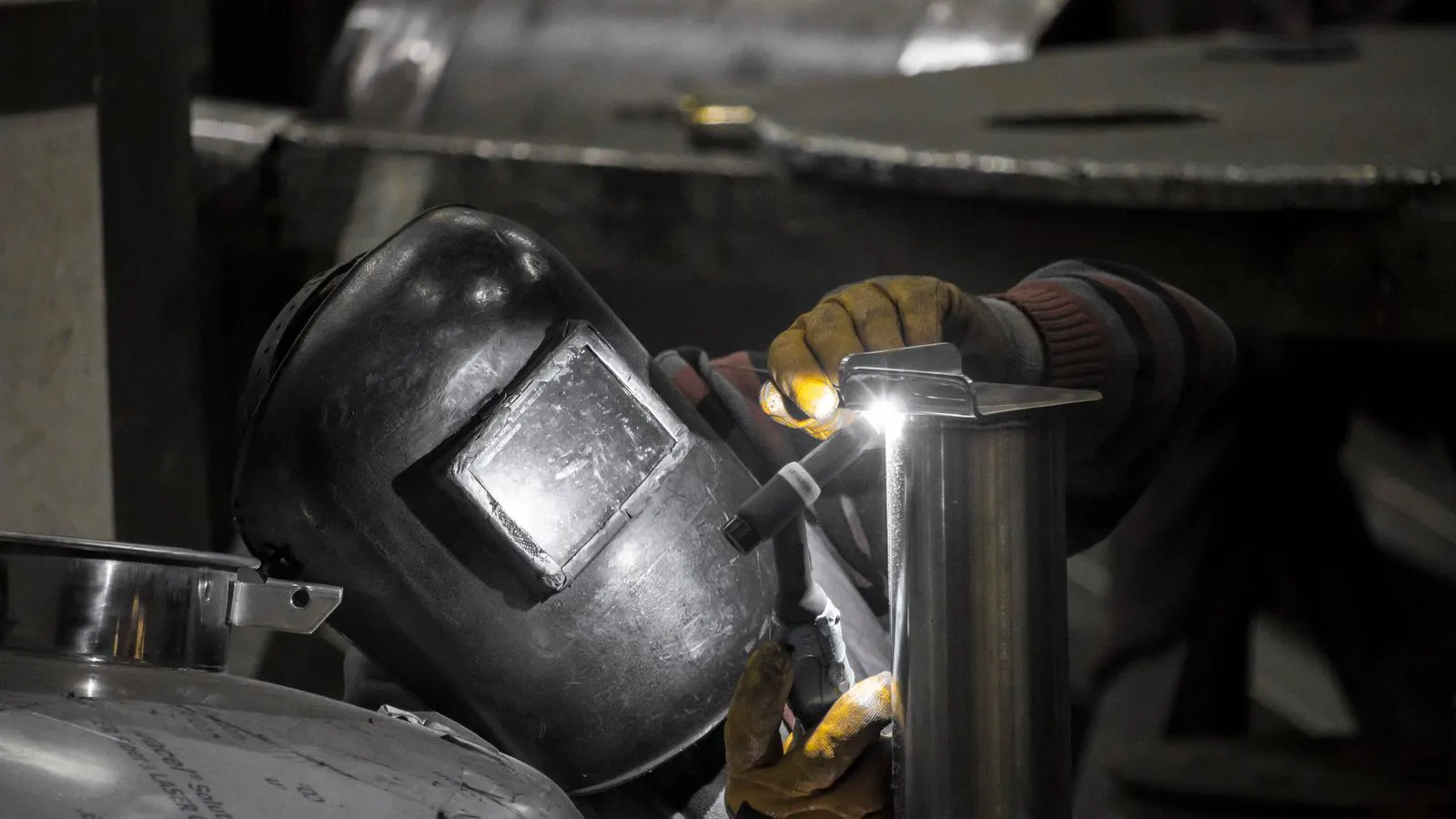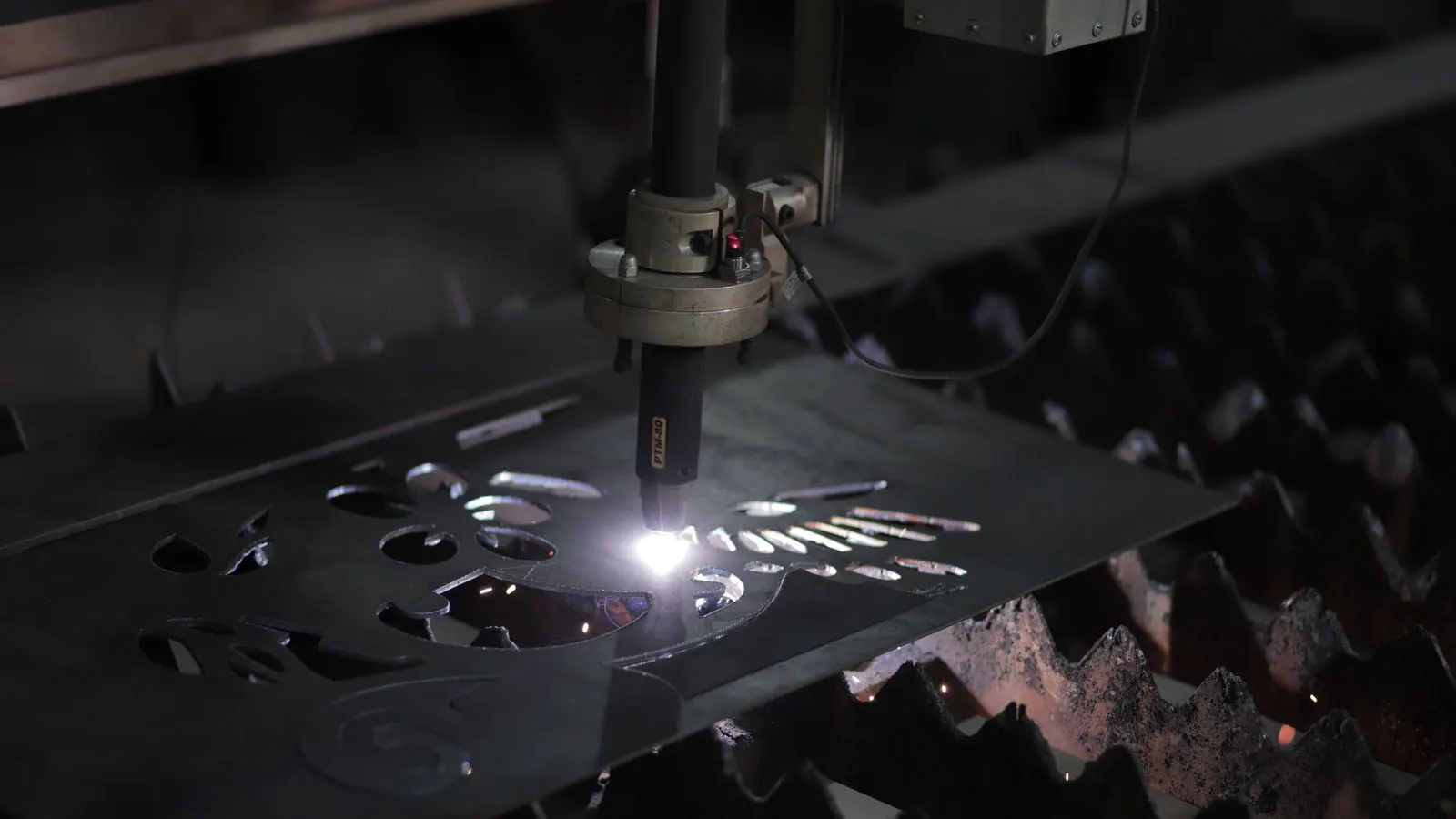
TIG excels for precision welding machines on thin and exotic materials, while plasma cutting systems handle thick steel with speed. The choice depends on material thickness, finish requirements, and production volume.
- TIG is the standard for high-precision joints where visual quality and thin material integrity matter.
- Plasma cutting systems prioritize speed and kerf control on thick carbon steel and stainless.
- Many shops use both technologies together to handle different material thicknesses and finish requirements.
- The power supply and torch selection define the performance ceiling of any TIG machine.
- Plasma machines vary by gas mix and amperage, which directly affects cut quality and speed.
How TIG and plasma equipment differ in core function
TIG and plasma equipment serve two distinct roles in metal fabrication. TIG machines produce a controlled arc between a tungsten electrode and the workpiece. The operator feeds filler metal manually. This process creates a clean, stable weld pool. It demands steady hands and close attention. The result is a high-quality joint with minimal spatter.
Plasma cutting systems behave differently. A high-velocity jet of ionized gas cuts through the material. The machine does not weld. It separates the metal. The operator moves the cutting head across the plate. The speed is high. The kerf is narrow compared to oxy-fuel torches.
The distinction matters when selecting TIG and plasma equipment for a specific job. If the task involves joining aluminum sheets, stainless steel tubing, or titanium, TIG is the default. If the task involves separating thick carbon steel plate or cutting complex profiles in a fabrication bay, plasma is the tool.
Mixing these functions creates confusion. Some buyers assume a plasma cutter can handle all metalwork. It cannot. Others assume a TIG machine can cut plate. It cannot. Both technologies have specific limits. Understanding these limits prevents costly mistakes.
When precision welding machines dominate the workflow
Precision welding machines are the backbone of high-finish fabrication. TIG is the primary method here. The low heat input keeps distortion low. This is critical for thin sheet metal, aerospace structures, and food-grade stainless tanks.
The operator controls the heat precisely. A 200-amp TIG machine can handle aluminum sheet with a 1/4-inch kerf. It can also weld 1/4-inch thick carbon steel. The torch angle and travel speed are fixed by the material thickness. The filler wire diameter changes based on the joint type.
In automotive and motorcycle frame shops, TIG is mandatory for frame tubing. The weld must be strong and visible. Grind-out is minimal. In tank fabrication, the weld must be leak-tight. The bead profile is checked with a visual gauge.
The downside is speed. TIG is slow. A trained operator may complete 30 to 50 inches of weld per hour. A production line cannot rely on TIG for bulk work. It is a finishing and assembly technology.
When plasma cutting systems drive productivity
Plasma cutting systems are built for throughput. They cut thick materials faster than oxy-fuel. A 300-amp plasma machine handles 1/2-inch carbon steel. A 500-amp machine handles 1-inch plate. The cut speed is high. The operator can cut complex CNC paths quickly.
The gas mix matters. Nitrogen is cheap and fast for carbon steel. It leaves a slightly rougher bottom surface. Argon or oxygen-nitrogen mixes improve the finish on stainless steel. The cost of gas is low compared to the cost of labor.
In a fabrication shop, plasma is the first machine the operator reaches for. It separates the raw material. The operator feeds the plate through a table. The plasma head tracks the path. The cut is fast. The operator can then grind and TIG the edges.
The limitation is material. Plasma struggles with thick stainless steel. It produces a rough top edge. It is not suitable for aluminum. The heat affects the material too much. For aluminum, a different method is required.
TIG vs Plasma: Side-by-side comparison
The table below compares the two technologies based on typical shop conditions. This helps buyers match the tool to the job.
| Option | Best for | Limitations |
|---|---|---|
| TIG Welder | Thin materials, exotic metals, high-finish joints | Slow speed, high operator skill, limited material thickness |
| Plasma Cutter | Thick carbon steel, high-volume cutting, CNC integration | Poor on aluminum, rough finish on stainless, not a welding tool |
| Hybrid Setup | Mixed production, fabrication shops | Higher initial cost, requires two different skill sets |
The table shows that neither tool replaces the other. A shop that only welds TIG will struggle with thick plate. A shop that only cuts plasma will struggle with thin sheet and exotic alloys.
Power sources and torch selection for TIG
The power supply defines the TIG machine. DC is the standard for steel and aluminum. AC is used for aluminum with pulsed functions. The amperage range must match the material. A machine with a 100-300 amp range is common for light fabrication. A 300-600 amp machine handles thicker sections.
The torch selection is critical. A 3/8-inch cup holds a 2mm tungsten. A 1/2-inch cup holds a 3mm tungsten. The cup size determines the gas flow. The gas flow is controlled by a regulator. Helium is expensive but helps with deep penetration. Argon is the standard. Argon-helium mix is common for thick steel.
The torch must be close to the workpiece. The distance is usually 1/8-inch. The filler wire is fed with the other hand. The technique is called weaving. Weaving is slow. It requires practice.
The cooling system is essential. Water-cooled torches keep the handle cool. Air-cooled torches are cheaper but heat up quickly. In a hot shop, water cooling is preferred. The cable length also matters. A long cable adds resistance. The voltage drop reduces the amperage at the torch.
Plasma cutting systems and gas choices
Plasma cutting systems are defined by the amperage and the gas. The amperage determines the maximum thickness. A 200-amp machine is for light duty. A 400-amp machine is for medium duty. A 600-amp machine is for heavy plate.
The gas choice affects the cut. Nitrogen is the default for carbon steel. It is fast. The top edge is smooth. The bottom edge is rough. Oxygen increases the cut speed on carbon steel. It burns the metal. The top edge is notched. Argon improves the finish on stainless steel. It is slower.
The consumables are the torch tips and nozzles. They wear out. The tip is the electrode. The nozzle is the ceramic part. They must be replaced regularly. The cost of consumables is low but adds up.
The power supply is the heart of the plasma machine. It must be stable. Voltage fluctuations affect the cut quality. The machine needs a good ground. The ground cable must be thick. A thin ground cable causes arc instability.
Matching technology to production needs
The decision between TIG and plasma equipment comes down to the workflow. If the shop produces 500 units of thin aluminum panels, TIG is the bottleneck. The operator spends hours on each joint. If the shop produces 50 units of thick steel brackets, plasma is the bottleneck. The operator spends hours cutting.
A typical fabrication shop uses both. The plasma cutter separates the plate. The operator marks the cut lines. The plasma head cuts the shape. The operator then moves to the TIG station. The operator fits the parts. The operator TIGs the joints.
The skill sets are different. TIG requires manual dexterity. The operator must watch the puddle. Plasma requires machine setup. The operator must set the gas flow and the amperage. The operator must align the torch to the material.
The cost of labor is the largest factor. TIG is labor-intensive. Plasma is machine-intensive. If labor is expensive, a shop might invest in a CNC plasma table. It cuts complex parts without an operator. The operator only loads the material.
The material thickness is the final check. If the material is under 1/4-inch, TIG is usually better for joining. If the material is over 1/2-inch, plasma is usually better for cutting. The overlap zone is 1/4 to 1/2-inch. In this zone, both technologies can be used. The choice depends on the finish required.
Common mistakes in selecting TIG and plasma equipment
Buyers often buy the wrong amperage. They buy a 600-amp TIG machine for a shop that only welds 1/8-inch sheet. The machine is oversized. It is expensive. It draws high current from the shop power.
Buyers often ignore the gas supply. They buy a TIG machine without a gas regulator. They buy a plasma machine without a gas supply. The machine cannot operate. The setup cost is underestimated.
The consumables are another mistake. They buy cheap tungsten. They buy cheap plasma tips. The cheap parts wear out quickly. The cost increases. The quality decreases.
The power supply is the final mistake. They buy a machine that requires a 3-phase power supply. The shop only has single-phase power. The machine cannot run. The voltage is not stable. The arc is unstable. The weld is poor.
The key is to match the tool to the job. Do not buy the biggest machine. Buy the machine that fits the material and the volume. A well-matched TIG and plasma equipment setup will serve the shop for years.
Frequently asked questions
Can a plasma cutter weld metal?
No. Plasma cutters separate metal. They do not join metal. Welding requires a TIG, MIG, or stick machine.
Is TIG faster than plasma for cutting?
No. Plasma is faster for cutting. TIG is used for welding. TIG is slow for cutting thick material.
What gas do I need for TIG?
Argon is the standard gas for TIG. Helium is used for thicker steel. Argon-helium mix is common.
What gas do I need for plasma?
Nitrogen is the standard for carbon steel. Argon is used for stainless steel. Oxygen is used for fast carbon steel cuts.
Which is cheaper to operate, TIG or plasma?
Plasma is cheaper for high-volume cutting. TIG is cheaper for low-volume high-finish work. The cost depends on the job.